
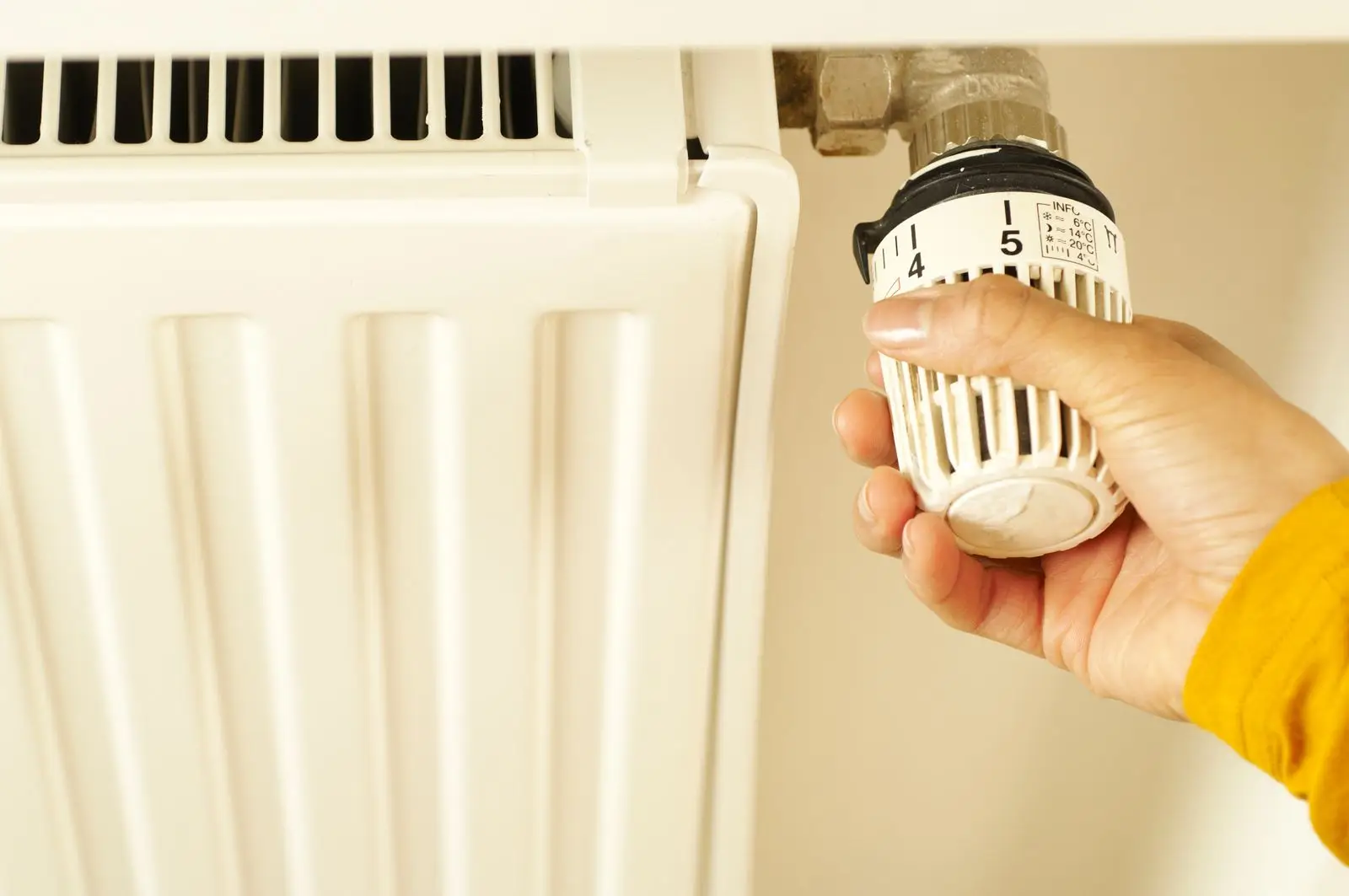
Under the Heating Costs Ordinance (HeizkostenV), metering devices that are not remote-readable and were installed up to 1 December 2021 must be retrofitted or replaced by 31 December 2026 (§ 5 (3) sentence 1). Excepted are cases where the conversion is technically impossible or would cause undue hardship (§ 5 (3) sentence 2). Where equipment is remote-readable, users must be informed of their consumption monthly (§ 6a (1) no. 2).
Both duties go back to the 2021 reform of that Ordinance. This guide explains what needs to be done, who decides in a condominium and what a breach costs.
What the Heating Costs Ordinance requires
The HeizkostenV requires that heating and hot water costs be billed predominantly on a consumption basis. Each unit therefore needs metering equipment: heat meters, heat cost allocators on the radiators and hot water meters. Since the 2021 reform these devices must also meet certain technical requirements - first and foremost remote readability (§ 5 HeizkostenV).
What “remote-readable” means
Remote-readable means the meter reading can be captured without entering the flat. In practice this happens by radio: either as a walk-by procedure, where a device collects the data while passing by, or via a fixed radio network that transmits the values automatically. The reading appointments in each individual flat that used to be common are no longer needed.
The deadline: 31 December 2026
This is the key point for all existing properties:
Deadline: Non-remote-readable metering devices installed up to 1 Dec 2021 must be retrofitted or replaced by 31 December 2026 (§ 5 (3) HeizkostenV). An exception applies only in the individual case where the conversion is technically impossible, or where an unreasonable effort or some other circumstance would cause undue hardship (§ 5 (3) sentence 2 HeizkostenV).
For new installations the obligation has applied for longer: since 1 Dec 2021 newly installed devices must be remote-readable, and since 1 Dec 2022 only devices that can be securely connected to a smart meter gateway may be installed.
Monthly consumption information
Remote readability brings a second duty: the ongoing consumption information (§ 6a HeizkostenV). Where the equipment is remote-readable, users must be informed of their consumption regularly - usually monthly. The information includes, among other things, consumption for the billing period and a comparison with the previous year. The aim is for residents to recognise and manage their energy use early, rather than only with the annual statement.
Who decides and pays in a condominium?
In a homeowners’ association the switch concerns the common property (the heating system and the metering equipment). The association decides on commissioning a metering service provider and on the switch to remote-readable technology - usually by resolution at the owners’ meeting.
The running costs for equipment and readings are apportionable heating costs and are allocated to users via the annual heating and operating cost statement. How the allocation works in detail is explained in our article on the operating cost statement.
Consequences of a breach
§ 12 (1) HeizkostenV provides for two reduction rates. Where the remote-readable equipment is missing contrary to § 5 (2) or (3), the user may reduce their share of the costs by 3 percent (sentence 2); the same applies where the building owner fails to provide the information under § 6a, or provides it incompletely (sentence 3). The 15 percent of sentence 1 apply in so far as costs are billed without regard to consumption, contrary to the Ordinance.
Between an individual owner and the owners’ association this reduction right does not exist: sentences 1 to 3 do not apply in that relationship, where the general rules take over (§ 12 (1) sentence 4 HeizkostenV). If the association misses the deadline, an individual owner therefore cannot cut their share of the heating costs in the annual statement by 3 percent. The carve-out reaches only as far as its wording: where an owner lets their flat, the tenant is the user, and the right to reduce remains in place towards the letting owner, even though it is the association that decides on the conversion.
Heating bills in Frankfurt and the Rhine-Main region
The HeizkostenV is federal law and applies everywhere alike. In practice it pays to plan the switch with the metering service provider early so that the end-2026 deadline is reliably met and the monthly consumption information is provided correctly. A professional condominium management handles the tendering, the resolution and the ongoing administration.
Sources
Editorial responsibility: digo.immo Verwaltung & Invest - certified residential property manager under § 26a WEG (IHK Frankfurt), licence under § 34c GewO. About the certification
This article provides general information only and does not replace individual legal advice. It was created with AI assistance; the legal statements have been checked against the official texts of the law. Legal status: 28/08/2026; laws and case law may change. No warranty is given as to completeness, accuracy or timeliness. When in doubt, please seek qualified advice.